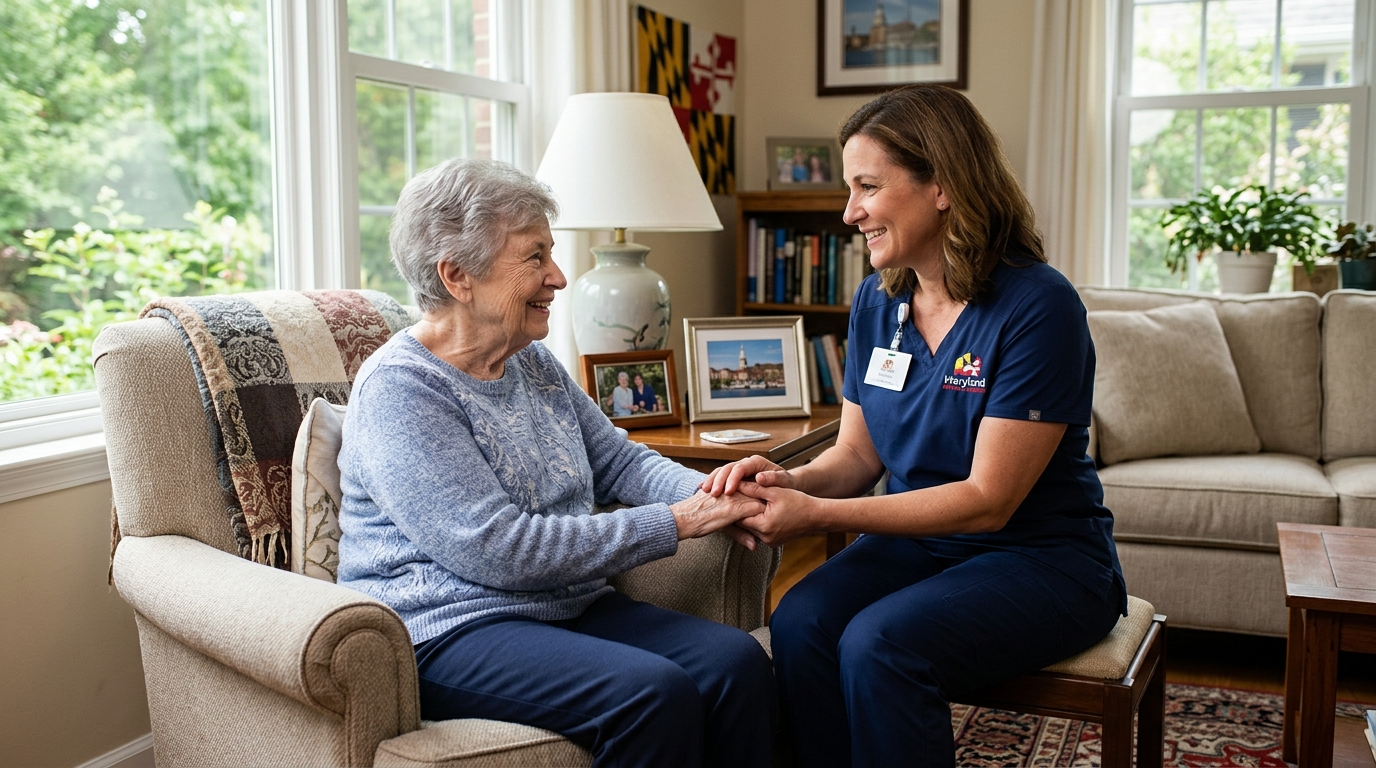

Comprehensive dementia care in Maryland encompasses a holistic, person-centered approach designed to support individuals living with cognitive decline and their families through every stage of the disease, focusing on maintaining dignity, quality of life, and safety within specialized residential settings like those found in Laurel, Prince George's, and Howard Counties. This guide will explore what comprehensive care entails, common dementia types, and how to find the right support for your loved one in Maryland.
Often, when families first reach out to us, they're trying to understand what is dementia exactly. It's not a specific disease itself, but rather a general term for a decline in mental ability severe enough to interfere with daily life. Dementia is characterized by a group of symptoms affecting memory, thinking, and social abilities, and while it's more common as people age, it's important to remember that it's not a normal part of aging. Different underlying diseases can cause dementia, each presenting its own unique challenges and requiring thoughtful, tailored dementia care.
Navigating the various types of dementia can feel overwhelming, but understanding them can help families better prepare for the journey ahead. The most prevalent form we see is Alzheimer's Disease, which accounts for 60-80% of dementia cases, characterized by progressive memory loss and cognitive decline due to specific brain changes. Another significant type is Vascular Dementia, often occurring after a stroke or due to conditions that impair blood flow to the brain, leading to problems with reasoning, planning, judgment, and memory. Lewy Body Dementia presents unique challenges with fluctuating alertness, visual hallucinations, and Parkinson's-like motor symptoms, while Frontotemporal Dementia primarily affects personality, behavior, and language, often impacting younger individuals.
Recognizing dementia symptoms early can be incredibly helpful for planning and seeking appropriate dementia support. While occasional forgetfulness is a normal part of aging, persistent memory loss that disrupts daily life is a key indicator. Families often notice challenges with planning or solving problems, difficulty completing familiar tasks like driving to a known location, or confusion with time or place. Beyond cognitive changes, significant shifts in mood, personality, or behavior, such as becoming withdrawn, anxious, or easily agitated, are also common signs that warrant a professional evaluation. As the disease progresses, these symptoms become more pronounced, necessitating specialized care environments.
We've seen firsthand how an early diagnosis of dementia can make a profound difference for both the individual and their family. It allows for proactive planning, giving families time to understand the disease, explore care options, and make informed decisions about future living arrangements and financial considerations. Early diagnosis also opens doors to potential treatments that can manage symptoms for a period, as well as therapeutic interventions that can help maintain cognitive function and quality of life for longer. Having a plan in place provides peace of mind and ensures that when the time comes for more intensive care, like dedicated memory care dementia Maryland offers, the transition is smoother and less stressful.
At the heart of truly comprehensive dementia care Maryland provides is the philosophy of person-centered care. This approach recognizes that every individual living with dementia is unique, with their own life story, preferences, and remaining abilities. For us, a personalized approach is absolutely crucial because it maintains dignity and fosters a sense of self-worth, even as cognitive abilities decline. At CR Care Group, we implement person-centered care by taking the time to truly get to know each resident – their past hobbies, favorite foods, family traditions, and daily routines – and then weaving these elements into their daily care plan and activities within our small, residential homes. It's about adapting our care to them, not asking them to adapt to our schedule.
Engaging activities are not just about entertainment; they are a vital component of dementia support, designed to stimulate cognitive function, improve mood, and reduce anxiety. The benefits of structured activities for memory and mood are well-documented, helping to slow cognitive decline and enhance overall well-being. In quality memory care settings across Maryland, you'll find examples of engaging programs that might include music therapy, art classes, gentle exercise, reminiscence therapy using familiar objects, or even simple tasks like gardening or baking. These activities are carefully chosen and adapted to each resident's abilities, ensuring they feel successful and engaged, fostering a sense of purpose and joy.
One of the most challenging aspects of dementia for families is navigating behavioral changes, such as agitation, wandering, or "sundowning" (increased confusion and restlessness in the late afternoon/evening). Comprehensive dementia care includes strategies for addressing these behaviors with compassion and understanding, rather than relying on medication alone. This means creating a calm and secure environment, maintaining consistent routines, using redirection techniques, and understanding the root cause of the behavior. Our caregivers are trained to recognize triggers and respond with empathy, ensuring residents feel safe and supported, promoting their emotional well-being even during difficult moments.
Maintaining physical health is intrinsically linked to cognitive well-being in individuals with dementia. The role of diet in dementia care is significant, with an emphasis on balanced, nutritious meals that are appealing and easy to consume. Ensuring proper hydration is also critical, as dehydration can exacerbate confusion. Our care plans also prioritize gentle physical activity to maintain mobility and strength, which can prevent falls and improve overall health. Furthermore, expert oversight of complex medication schedules is paramount; our licensed Level 3 facilities ensure that all medications are managed precisely, administered correctly, and monitored for any potential side effects, giving families peace of mind.
We understand that dementia doesn't just affect the individual; it impacts the entire family. That's why family support and education are a crucial component of comprehensive dementia care. We strive to be a resource for caregivers in Prince George's and Howard Counties, offering guidance and a listening ear. Our facilities partner closely with families, providing regular updates and encouraging open communication to ensure continuity of care. This collaborative approach helps families feel more involved and supported, knowing their loved one is receiving consistent, compassionate care that aligns with their values and preferences.
When considering options for a loved one with dementia, families often weigh in-home care against residential assisted living with memory care. In-home care can be appropriate in the early stages when needs are less intensive, allowing an individual to remain in familiar surroundings. However, as dementia progresses, the demands on family caregivers can become overwhelming, and the need for constant supervision and specialized support often exceeds what in-home care can safely provide. The benefits of a dedicated memory care environment, like those offered in assisted living facilities, include a secure setting designed to prevent wandering, 24/7 specialized supervision, structured therapeutic activities, and professional staff trained specifically in dementia support, creating a safer and more enriching environment.
Choosing a memory care facility in Maryland requires careful consideration of several key factors. One of the most critical aspects is the staff-to-resident ratio; a low ratio, like our 3:1 caregiver-to-resident ratio at CR Care Group, is a benchmark for quality and ensures consistent, attentive care. It's also vital to look for specialized training for dementia caregivers, as this expertise makes a significant difference in managing complex behaviors and providing appropriate engagement. Facility design and safety features for cognitive impairment, such as secure perimeters, clear signage, and calming environments, are non-negotiable. Location considerations are also important for families, with options available in Laurel, Clarksville, Sandy Spring, and Bondmill, including our own CR Care of Sandy Spring location, serving a wide area of Maryland.
For families seeking comprehensive dementia support in Maryland, understanding the state's licensing levels is essential. Level 3 licensing is the highest care level for assisted living facilities in Maryland, signifying that a home is equipped to provide extensive assistance with activities of daily living, medication management, and specialized care for residents with significant cognitive or physical impairments, including advanced stages of dementia. This level of licensing means the facility has stricter staffing requirements, enhanced safety protocols, and the capability to manage more complex medical needs. Opting for a Level 3 licensed facility ensures that your loved one will receive the highest standard of care, even as their needs evolve.
When touring memory care facilities in Maryland, families should come prepared with a list of essential questions to ensure they find the best fit for their loved one's dementia care. Ask, "What specific memory care programs do you offer, and how are they tailored to individual needs?" Inquire about how the staff handles challenging behaviors, such as agitation or resistance to care, and what training they receive. It's also wise to ask about caregiver training and turnover rates, as consistent staffing is crucial for individuals with dementia. Finally, confirm if the facility can accommodate residents in advanced stages of dementia, ensuring they won't need to move again as their condition progresses.
Understanding the financial considerations for dementia care in Maryland is a significant step for many families. The costs can vary widely depending on the level of care needed, the type of facility, and its location. Most assisted living and memory care facilities primarily operate on a private-pay model. However, it's worth exploring options like long-term care insurance, which can cover a portion of these expenses, or potential aid programs for veterans and their spouses. At CR Care Group, we believe in transparent, fixed-rate pricing with no hidden fees, helping families budget confidently for their loved one's comprehensive dementia care.
At CR Care Group, our philosophy for comprehensive dementia care Maryland families trust is rooted in providing a truly personalized, nurturing environment. We operate four small, residential-style homes, each caring for a maximum of 8 residents. This intimate setting offers distinct advantages for individuals with dementia, fostering a familiar, family-like atmosphere that stands in stark contrast to larger, more institutional facilities. In our homes across Prince George's and Howard Counties, residents benefit from consistent caregivers, a calm environment, and daily routines that reduce anxiety and confusion, helping them feel safe, known, and truly at home.
We believe that meaningful engagement is vital for individuals living with dementia, which is why we offer expert-led memory care programs and activities tailored to each resident's unique abilities and interests. Our daily schedules include a variety of activities designed for cognitive stimulation and enjoyment, from gentle exercises and music therapy to reminiscence activities and creative arts. We carefully adapt these activities for varying stages of dementia, ensuring that every resident can participate and experience moments of joy and connection. This personalized approach to dementia support helps maintain cognitive function, improves mood, and enhances overall quality of life.
What truly sets CR Care Group apart in providing comprehensive dementia care Maryland families can rely on is our commitment to exceptional standards. All our facilities are Level 3 licensed, which is the highest care level in Maryland, meaning we are fully equipped to provide extensive assistance for even the most complex needs associated with advanced dementia. Coupled with our industry-leading 3:1 caregiver-to-resident ratio, this ensures that every resident receives consistent, attentive, and personalized care. Our highly trained caregivers are always present, providing immediate support, managing medications, and engaging residents, fostering a safe and supportive environment.
We understand that family caregivers often need a break, which is why we offer compassionate respite care services in Laurel and surrounding areas. This temporary relief allows families to rest and recharge, knowing their loved one is in expert hands. Furthermore, as dementia progresses, the need for end-of-life support becomes paramount. CR Care Group provides sensitive and dignified hospice and palliative care within a familiar setting, ensuring comfort, pain management, and emotional support for both the resident and their family during this tender time. Our goal is to provide continuous, compassionate dementia support through every stage of the journey.
For over two decades, CR Care Group has been a trusted partner for Maryland families seeking exceptional dementia care. With our four conveniently located homes – CR Care of Sandy Spring, CR Care of Bondmill, CR Care of Laurel, and CR Care of Clarksville – we proudly serve communities throughout Prince George's County and Howard County. Our commitment extends to families in Laurel, Burtonsville, Fulton, Columbia, Silver Spring, Beltsville, and many other areas, offering peace of mind and high-quality, personalized dementia support right in their local communities.
Dementia is an umbrella term for a group of symptoms affecting memory, thinking, and social abilities that interfere with daily life. Alzheimer's disease is the most common specific disease that causes dementia, accounting for 60-80% of cases. So, while all Alzheimer's is a form of dementia, not all dementia is Alzheimer's.
It's often time for residential memory care when an individual's safety becomes a concern (e.g., wandering, falls, medication errors), when their needs exceed what family caregivers can safely provide, or when they can no longer manage daily activities independently. Significant behavioral changes or a decline in quality of life at home are also key indicators.
Level 3 is the highest level of assisted living licensing in Maryland, indicating a facility can provide extensive assistance with daily living, medication management, and specialized care for residents with significant cognitive or physical impairments, including advanced dementia. This ensures higher staffing levels and comprehensive support for complex needs.
At CR Care Group, our caregivers are trained in person-centered approaches to manage challenging behaviors with compassion and understanding. We focus on identifying triggers, maintaining consistent routines, using redirection techniques, and creating a calm, secure environment. Our high staff-to-resident ratio ensures immediate, individualized attention.
We offer a diverse range of expert-led memory care programs and activities tailored to each resident's abilities and interests. These include gentle exercises, music therapy, art classes, reminiscence activities, and social engagement. Our goal is to provide meaningful stimulation that promotes cognitive health, improves mood, and fosters a sense of purpose.
If you're exploring assisted living options and comprehensive dementia care in Maryland, we'd love to show you around one of our small, residential homes. You can schedule a visit at https://crcaregroup.com/ or call us at (301) 483-0001 — no pressure, just honest answers and a chance to see the difference our family-focused approach makes.