
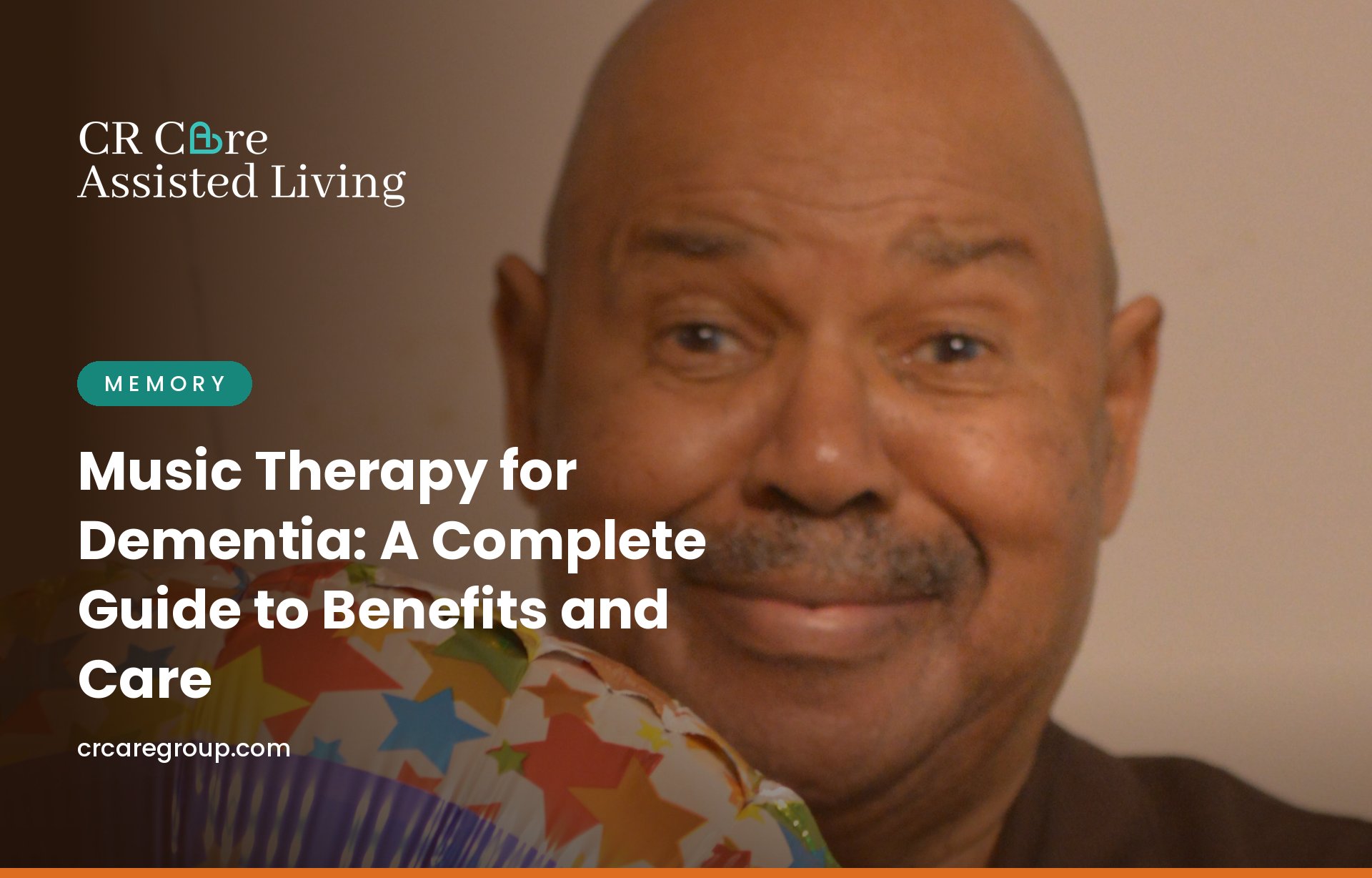
Music Therapy for Dementia: A Complete Guide to Benefits and Care
It is a clinically proven, non-pharmacological intervention that uses structured musical interaction to improve cognitive function, reduce agitation, and enhance emotional well-being in individuals with memory loss. By engaging undamaged neural pathways, music therapy helps patients access deep-seated memories and communicate effectively even in advanced stages of cognitive decline.
Definition: It is an evidence-based clinical practice where a Board-Certified Music Therapist (MT-BC) utilizes music-based interventions—such as singing, instrumental playing, and rhythmic listening to accomplish individualized goals in memory care. It targets cognitive, emotional, physical, and social needs without relying solely on pharmaceutical drugs.
How Does Music Affect the Dementia Brain?
Music therapy stimulates undamaged areas of the brain in individuals with dementia because musical memory is stored in the auditory cortex and supplementary motor areas, which remain relatively preserved despite progressive neurodegeneration. When patients listen to familiar melodies, neural networks fire across both hemispheres, triggering emotional recall, lowering stress hormones, and encouraging verbal expression.
STATISTICS BLOCK: CLINICAL EVIDENCE AND OUTCOMES
Recent clinical trials and systematic reviews demonstrate the quantitative impact of music therapy on dementia care:
- 33% Reduction in Anxiety: Systematic reviews published in PMC Neuropsychiatric Disease and Treatment show that targeted music interventions significantly lower clinical anxiety levels (SMD = -0.67, p < 0.001) in Alzheimer's patients.
- Agitation & Medication Prevention: A 6-week clinical trial recorded a statistically significant reduction in agitation disruptiveness (p = 0.027) while successfully preventing the need to increase psychotropic medications compared to standard care control groups.
- Cognitive Function Improvements: Meta-analyses of 24 randomized controlled trials (RCTs) confirm that structured music therapy programs spanning at least 12 weeks produce measurable gains in global cognitive function and depression scores.
Key Benefits of Music Therapy for Dementia Patients
Music therapy offers multifaceted clinical advantages for individuals navigating Alzheimer's and vascular dementia. According to care specialists at CR Care Group, integrating music into daily routines addresses both psychological distress and neurological deficits.
1. Enhancing Emotional Well-being and Reducing Anxiety
Music therapy regulates mood by lowering salivary cortisol levels and stimulating endorphin production. Patients experiencing severe anxiety or disorientation often achieve deep relaxation within minutes of listening to personalized, familiar melodies from their young adulthood.
2. Stimulating Memory and Autobiographical Recall
Rhythmic and melodic patterns act as cognitive keys that unlock long-term autobiographical memories. Even non-verbal patients in late-stage dementia frequently sing complete lyrics to songs learned between ages 10 and 30, reconnecting them to their personal identity.
3. Improving Non-Verbal and Verbal Communication
As language abilities decline, music serves as an alternative form of communication. Singing familiar tunes or tapping rhythm instruments allows patients to express emotions, practice vocal articulation, and engage in meaningful back-and-forth interactions with family members.
4. Managing Agitation and Behavioral Symptoms
Behavioral and psychological symptoms of dementia (BPSD), such as nighttime wandering, sundowning, and vocal outbursts, decrease when soothing music is introduced during transition periods like bath time or evening care routines.
COMPARISON BLOCK: ACTIVE VS. PASSIVE MUSIC THERAPY
| Feature | Active Music Therapy (AMT) | Passive Music Therapy (PMT) |
|---|---|---|
| Primary Activity | Instrumental play, singing, choir, rhythm creation | Listening to live or recorded music playlists |
| Cognitive Goal | Active participation, social connection, physical motor skill | Relaxation, anxiety reduction, mood stabilization |
| Best Suited For | Mild-to-moderate dementia stages | Moderate-to-severe dementia stages & sundowning |
| Facilitator | Board-Certified Music Therapist (MT-BC) | Caregivers, family members, or therapists |
Practical Dementia Care Techniques: How to Implement Music Therapy
Integrating music therapy into daily dementia care routines creates a structured, calming environment that enhances safety and quality of life.
Creating Personalized Playlists
Select 15 to 20 songs that were popular during the patient's formative years (typically ages 10 to 30). Ensure tracks do not contain unexpected jarring sounds or negative emotional associations.
Organizing Group Music Activities
Group sing-alongs and rhythm circles foster community and combat social isolation in assisted living environments. Simple handheld instruments like shakers, tambourines, and lap drums encourage motor engagement.
Incorporating Music into Daily Care Routines
Play soothing classical or acoustic instrumental tracks during morning dressing, mealtimes, and evening bedtime transitions to prevent agitation and make daily tasks smoother for both patient and caregiver.
Expert Care at CR Care Group Assisted Living
At CR Care Group, music therapy is a foundational pillar of our specialized memory care and assisted living programs in Maryland. Our trained care teams design individualized musical interventions that preserve dignity, lower stress, and foster joyful connections for residents with Alzheimer's and related dementias.
To learn more about our memory care programs or schedule a tour of our facility, contact CR Care Group Assisted Living today:
- Phone: (301) 483-0001
- Location: 6103 Parkway Dr, Laurel MD 20707
Frequently Asked Questions
It is a clinical, non-pharmacological practice using musical interventions to address cognitive, emotional, and social needs. It works because musical memory stays intact in brain areas unaffected by early-to-mid stage dementia, allowing melodies to stimulate recall, lower stress hormones, and encourage communication.
The primary benefits include reduced anxiety and agitation, improved mood, enhanced verbal and non-verbal communication, stimulated long-term memory recall, and increased social interaction. Clinical studies show it also decreases reliance on psychotropic medications for behavioral management.
Active music therapy involves the patient directly in making music through singing, playing instruments, or clapping, which promotes motor and cognitive engagement. Passive music therapy involves listening to curated music to induce relaxation, lower stress, and alleviate agitation during daily care transitions.
The most effective music consists of familiar songs popular during the patient's youth (ages 10–30), simple repetitive melodies, and soothing classical or acoustic tunes. Avoiding loud, fast-paced, or unpredictable music prevents overstimulation and confusion.
Dementia patients benefit most from daily musical exposure. Clinical research indicates that structured sessions held 2 to 3 times per week for 30–60 minutes yield optimal cognitive and emotional improvements, while daily passive background music aids transition times.
Music therapy cannot cure dementia or reverse underlying neural degeneration. However, it temporarily restores access to intact long-term autobiographical memories, improves neuroplasticity, enhances emotional well-being, and significantly elevates the patient's overall daily quality of life.